Latvia’s 2026 Holocaust Remembrance Day
The Jungfernhof Concentration Camp Commemorative Event
Sponsored by Latvia’s Jewish Community
Led by Ilya Lensky, Director of Museum “Jews of Latvia”
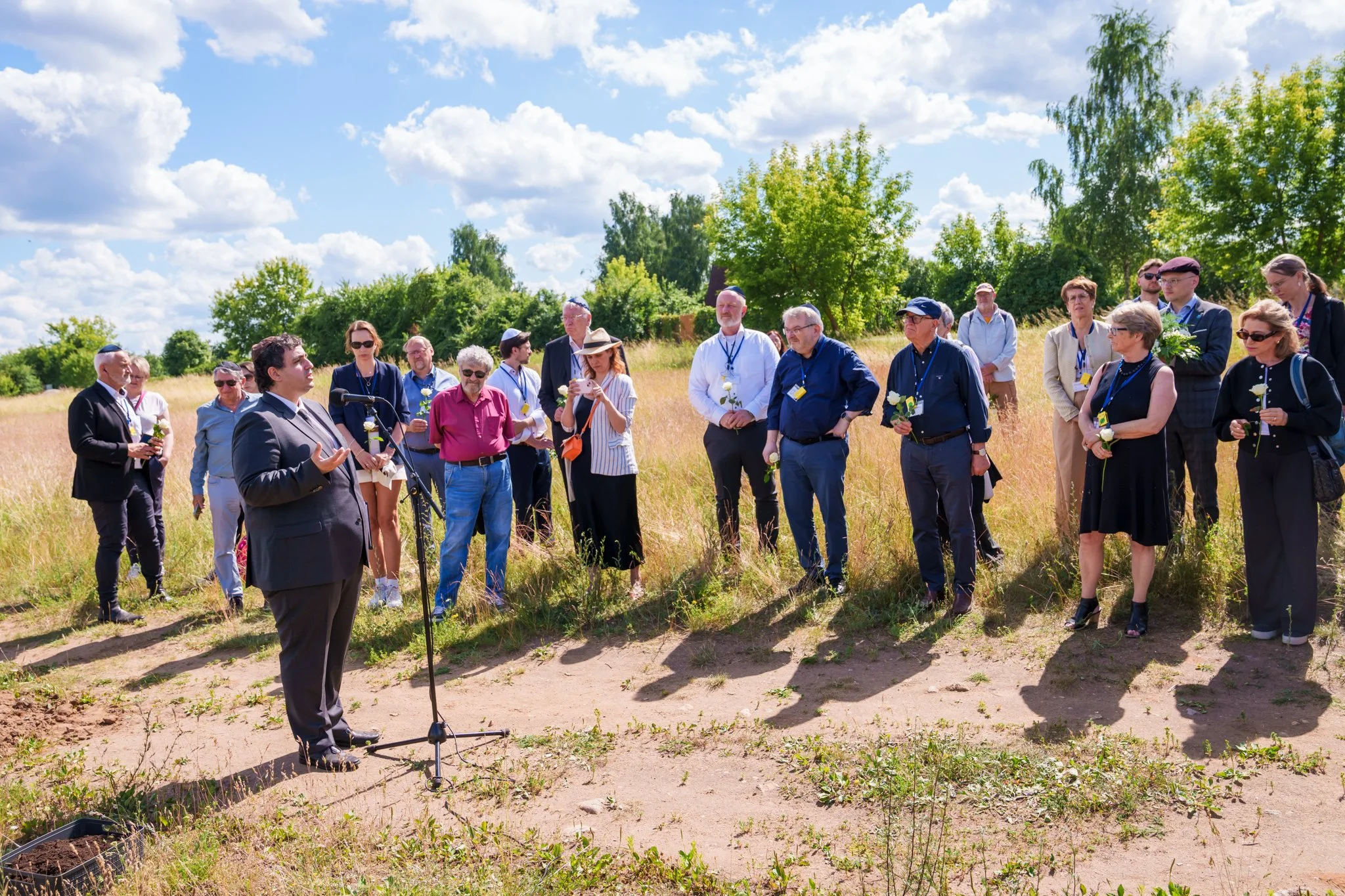
Ilya Lenksy addressing the group at the Jungfernhof site
Photo: Gints Ivuškāns
Guests in attendance: Members of Latvia’s Jewish Community, The German Riga Committee, German Mayors, Ambassadors from Germany and Austria, 14 members of the Locker of Memory Descendant and Survivors group, members of Latvia’s Municipality, local residents, and journalists.
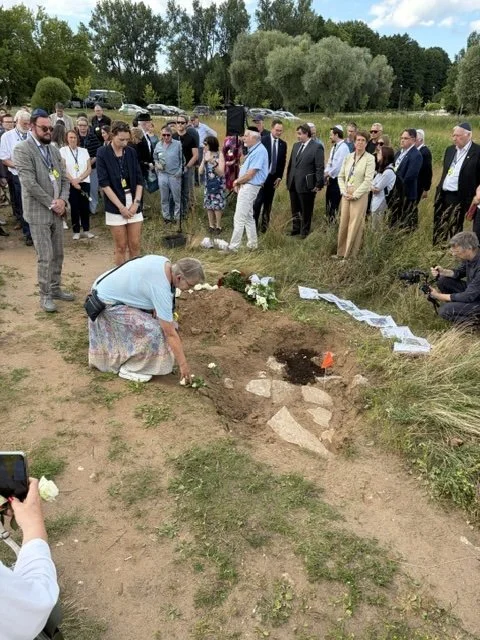
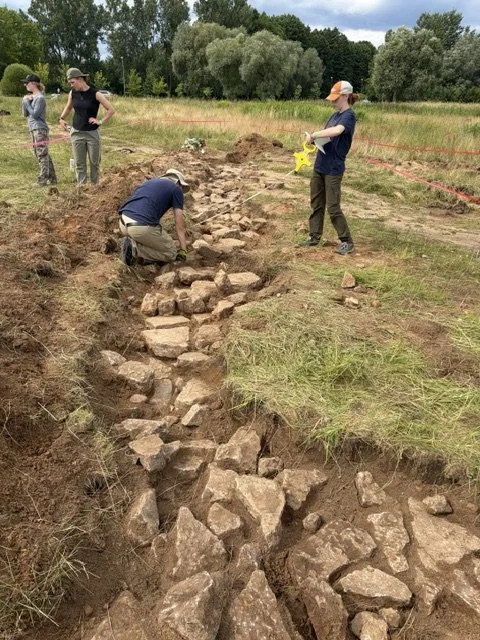
On July 2, 2026, a commemorative event took place at the site of the former Jungfernhof concentration camp, The ceremony featured three speakers: Patricia Anastos, Steve Miller, and Fred Zimmak, descendants of victims, imprisoned, tortured, and murdered at the camp or in nearby forests. A presentation delivered by the project’s lead scientist, Prof. Philip Reeder, detailed the latest findings of foundational stones outlining the perimeter of the barracks building. The ceremony concluded with descendants spreading handfuls of dirt onto the area once occupied by the barracks building. This single piece of scientific evidence becomes an anchor for a memorial project. Existing on land devoid of memory, all other forms of evidence have been erased.
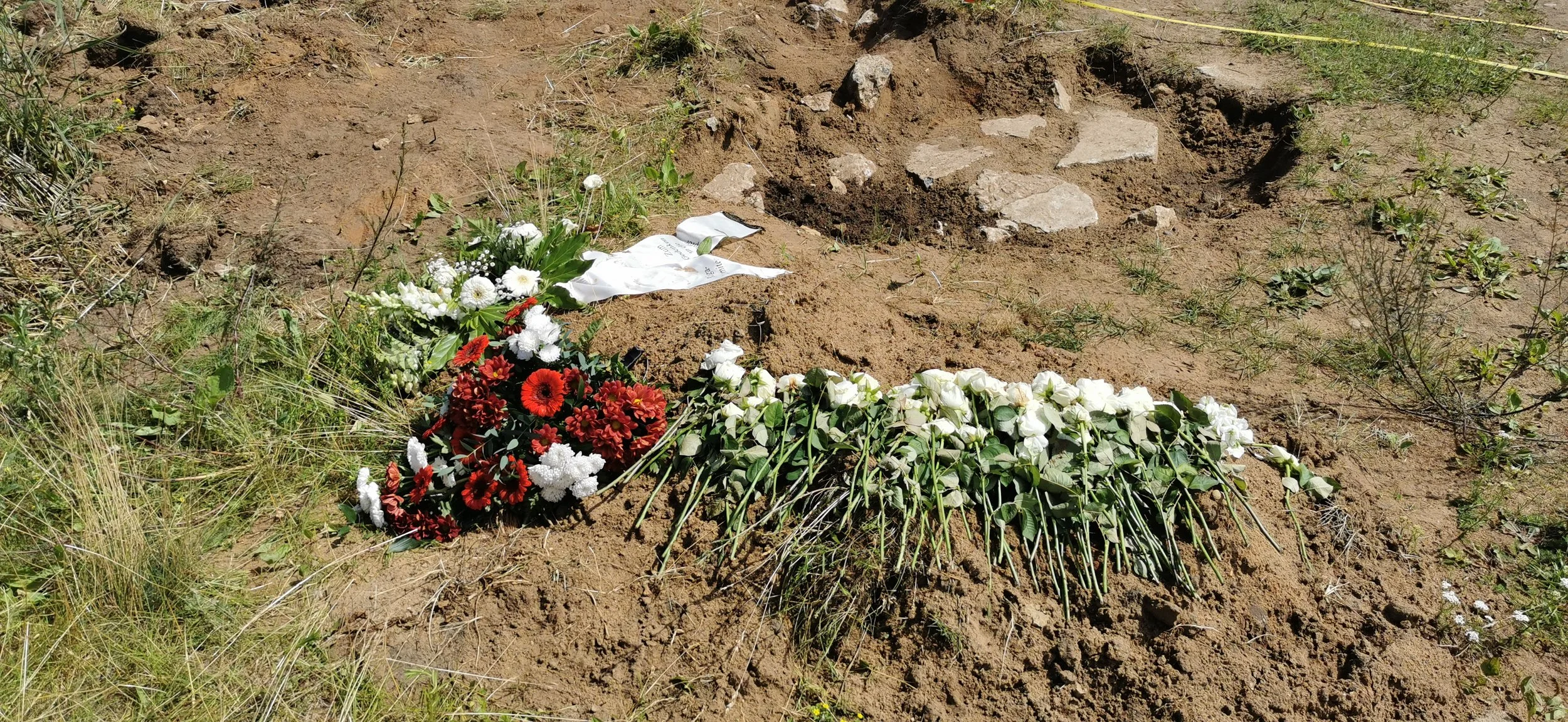
The mood was somber. Descendants, many meeting for the first time, took comfort in meeting as a group. The event concluded with laying flowers on the land where the barracks once stood.
—Photos taken by Gints Ivuškāns and descendants
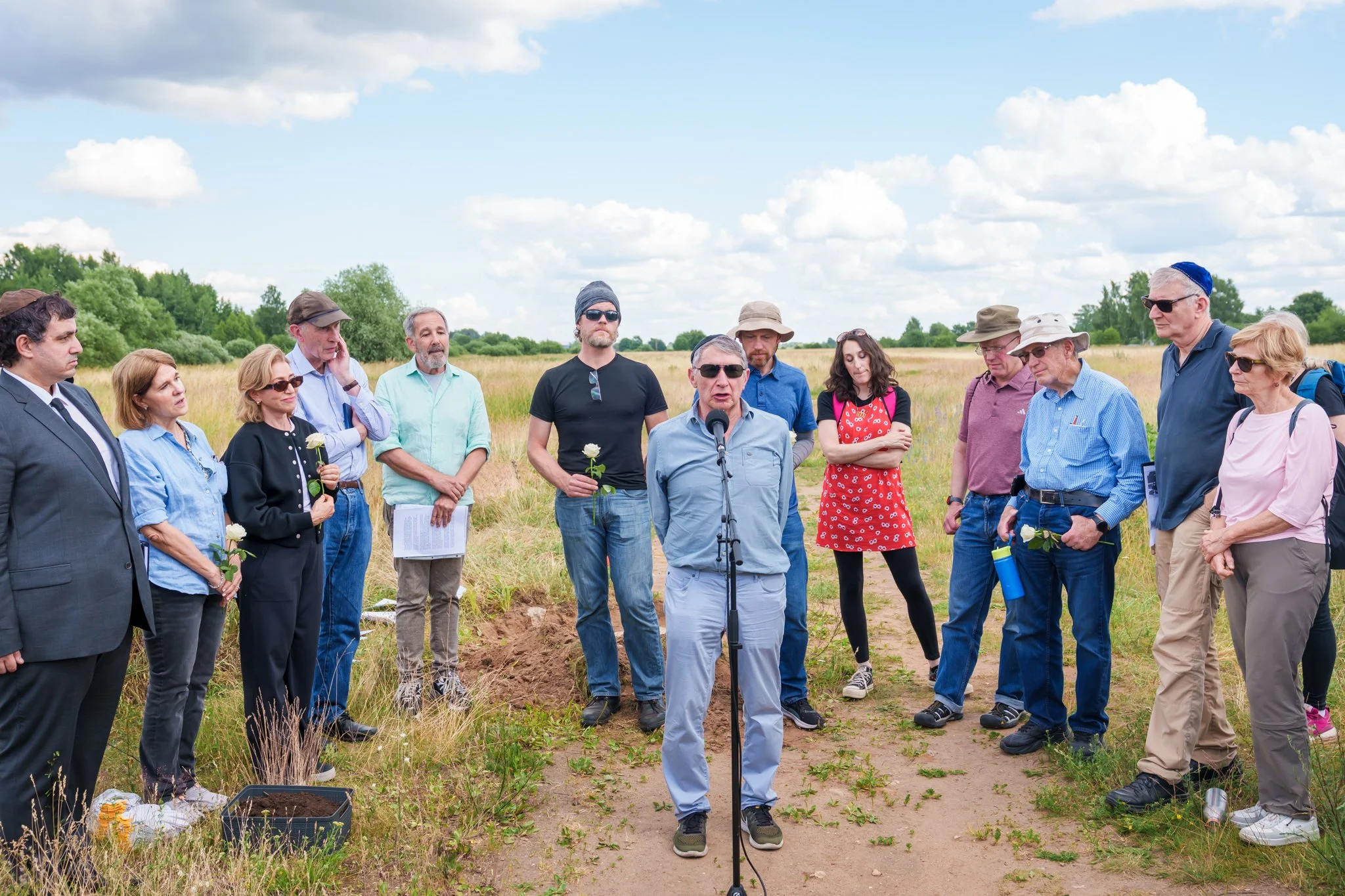
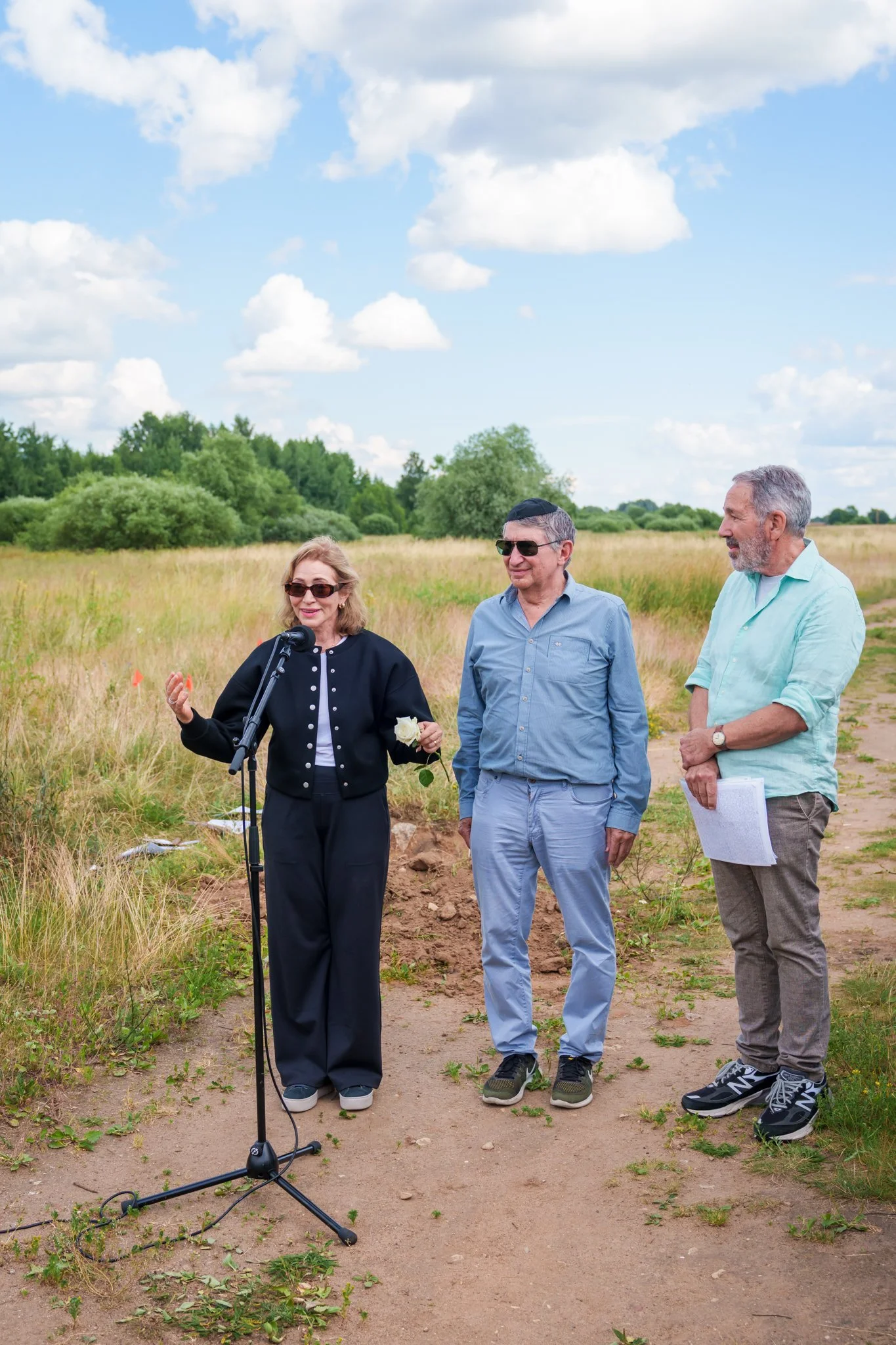
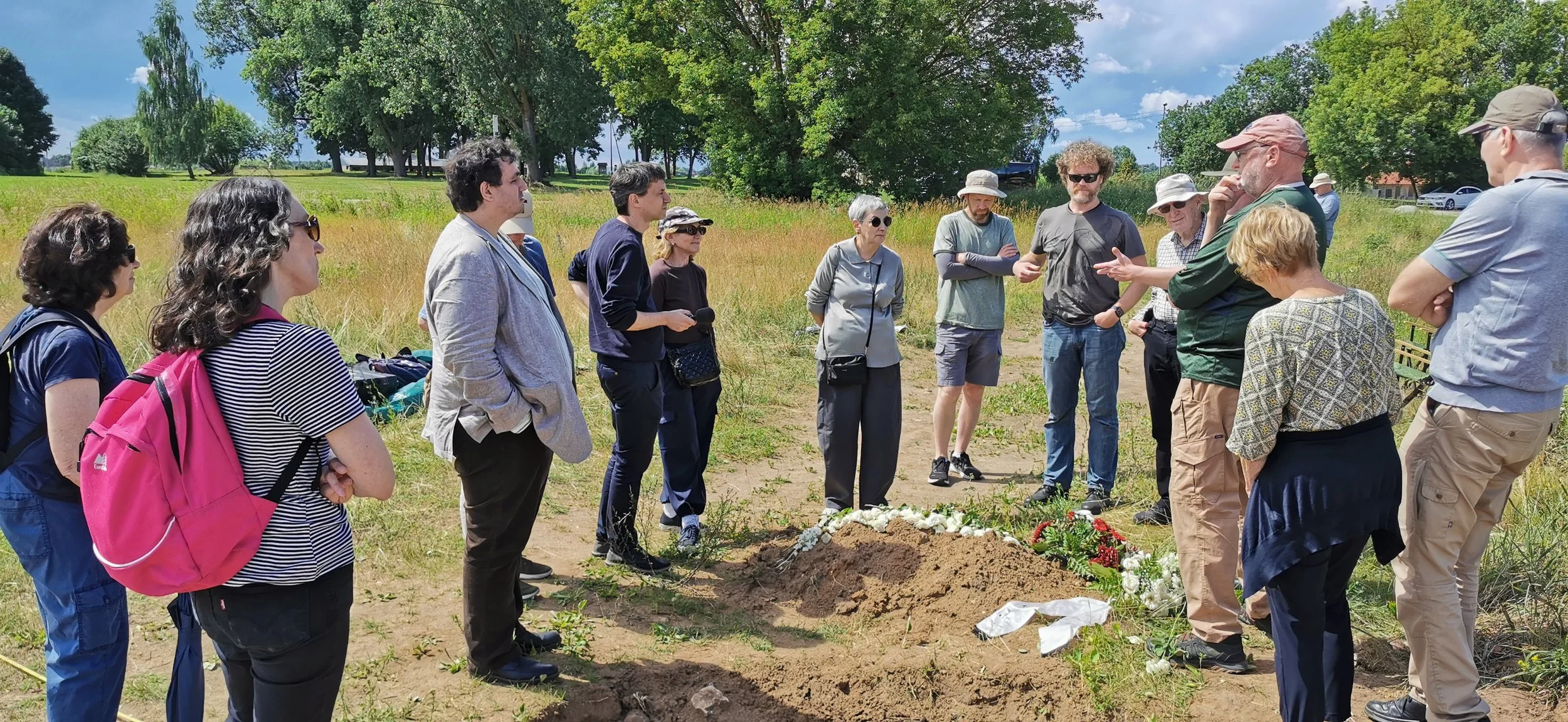
Throughout the day, informal conversations built real momentum, including talks between the descendant group and leaders of the German Riga Committee. Both groups pledged to raise funds for the memorial project. This is a turning point: descendants, many of them in the United States, which is home to philanthropists who care deeply about Holocaust memory, are now ready to lead the effort.
Some will say this is a hard time to ask for money. Budgets are tight, oil prices are rising, and the future feels uncertain. But that is exactly why we cannot wait.
Memory does not protect itself. It has to be built, marked and passed on.
The descendants carry their families' names and stories. Now we carry the responsibility to make sure the world remembers.
Documentation videos at Jungfernhof
I was unable to attend this important commemorative event at Jungfernhof, due to a medical situation. I was therefore happy to access the videos, so I could experience what had transpired. I was struck by the personal and emotional nature of each presentation. For many of the descendants, this was their first time visiting the camp. The rawness of these feeling was palpable.
Patricia Anastos speaks about her family, her mother Joanna (Hanny) Irene Oppenheim and her aunt, Ilse Jeanette Oppenheim. Both were deported from Stuttgart to Jungfernhof on December 1, 1941. Patricia’s aunt was killed in Liepāja during a Soviet bombing campaign, and Patricia’s mother was one of 149 survivors.
Nina Lutz spoke on behalf of the mayor of Nuremberg. She addressed the meaning of commemoration and the moral imperative to remember the past. She concluded her remarks by stating that “remembrance is not a closed chapter, it is a commitment for today and the future.”
The commemorative program taking place on July 2, 2026 was developed by Ilya Lensky, Director of the Museum “Jews of Latvia” in coordination with Latvia’s Jewish community and in conjunction with Latvia’s Annual Holocaust Remembrance Day events. Descendants were invited to speak about their families, addressing issues of loss and grief. Each speaker also noted the unusual presence of community among the prisoners at the camp.
The great Rabbi Joseph Carlebach, Chief Rabbi of Hamburg, brought a spiritual mood to this desolate place filled with hungry and despairing prisoners. Herbert Mai, a survivor and member of the “survivors and descendants’ group”, was one of two boys who performed in secrecy, their bar mitzvah at the camp. On Chanukah, Rabbi Carlebach also managed to find a menorah to light and bits of candy for the children to eat. On March 26, 1942, he was among 1,800 prisoners taken to the Bikernieki Forest and killed in the Dünamünde Action. Afterward, a shadow of silence fell over the camp.
Videographer: Nikolajs Krasnopevcevs